Analyses & Studies
Article | Economic Letter: East Africa and the Indian Ocean - September 2025
We are pleased to share insights from the French Treasury, offering economic analysis and sector-focused reports.
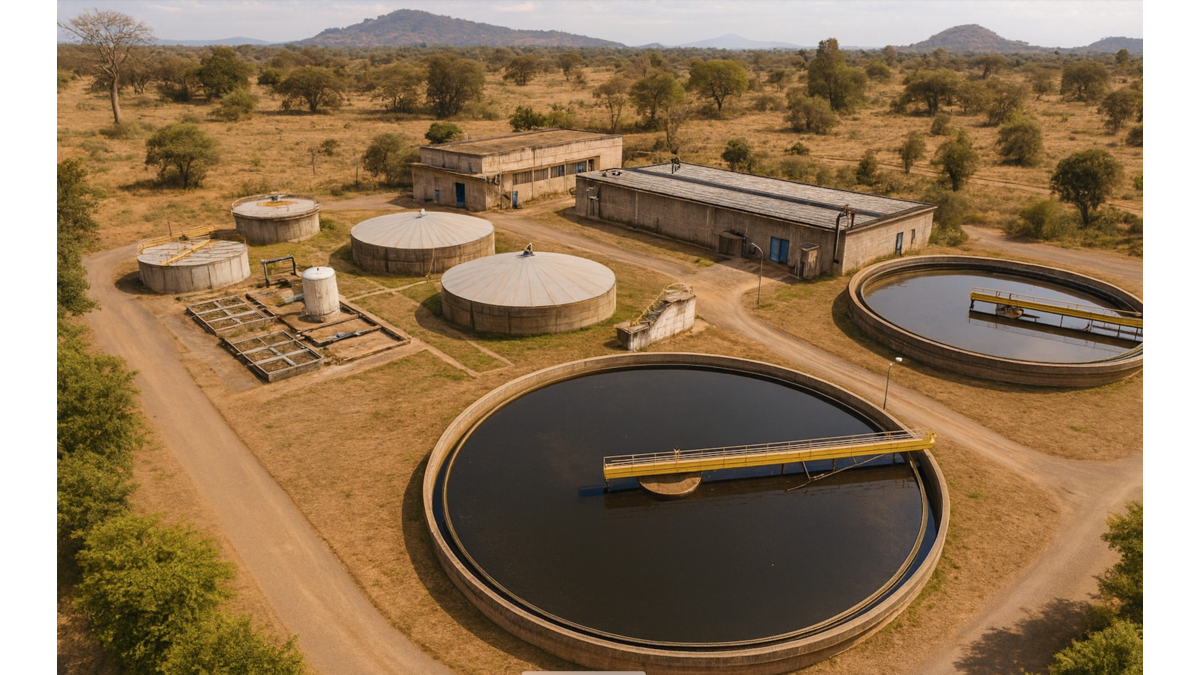
Water Sector in the IOEA: access under pressure from climate change, demographic growth and conflict
The French Treasury (Direction générale du Trésor), under the French Ministry of Economy and Finance, publishes Economic Letters through its regional services to provide in-depth analysis of key economic sectors and trade dynamics in partner countries.
This edition examines the water sector across East Africa and the Indian Ocean (IOEA), revealing stark disparities between abundant but under-mobilised resources and acute shortages. Burundi, Uganda, South Sudan and Tanzania benefit from significant renewable water volumes via the Great Lakes and the Nile, yet these remain largely untapped. By contrast, Kenya, Rwanda, Ethiopia and Djibouti face growing water stress driven by population growth, urbanisation and climate change. In the Indian Ocean islands (Comoros, Madagascar, Mauritius, Seychelles), high rainfall contrasts with inadequate infrastructure, resulting in frequent supply cuts and rising reliance on desalination.
Sector performance remains weak across the region: non-revenue water losses reach up to 60%, networks are ageing, sanitation access is limited, and urban-rural inequalities are pronounced. Kenya (44% losses), Ethiopia (50%) and Mauritius (62%) illustrate the scale of the challenge, compounded by chronic underfunding — water accounts for under 1% of Burundi's national budget and just 0.6% in Uganda, against a World Bank benchmark of 4% that only Ethiopia meets.
Governance is fragmented and uneven: Kenya stands out as a pioneer, with its 2010 Constitution enshrining water access as a fundamental right and a decentralised model regulated by WASREB, while Tanzania has adopted an integrated approach through NAWAPO 2025 and its 2019 Water Supply and Sanitation Act. Rwanda's 2023 national policy reflects an ambitious climate-resilience agenda, though execution across the region is hampered by limited financial and operational capacity, administrative complexity and, in some cases, corruption. Djibouti and Madagascar remain reliant on centralised operators (ONEAD, Jirama), constraining decentralised management and financing diversification.
The sector depends heavily on international donors — the World Bank, AfDB, EU and EIB finance major national programmes such as One WASH in Ethiopia (USD 300m) and PAAEP in Madagascar (USD 220m). France, via the AFD, plays a leading role in Kenya, Tanzania, Uganda, Djibouti, Mauritius and the Comoros, backing flagship projects including the Mwache project in Mombasa (EUR 120m), the Northern Collector in Nairobi (EUR 100m), and Lake Victoria treatment infrastructure at Mwanza (EUR 75m), among others.
Overall, the Letter underscores that while French companies are well positioned in engineering, treatment technologies and technical assistance, heavy construction markets remain dominated by Chinese firms. Regional water security will ultimately depend on network modernisation, loss reduction, stronger governance and substantial public and private investment integrating climate resilience and innovative solutions — an area where French offers combining PPPs, desalination, digitalisation and integrated O&M could strengthen their competitive position.