Analyses & Studies
Article | Economic Letter: East Africa and the Indian Ocean - June 2025
We are pleased to share insights from the French Treasury, offering economic analysis and sector-focused reports.
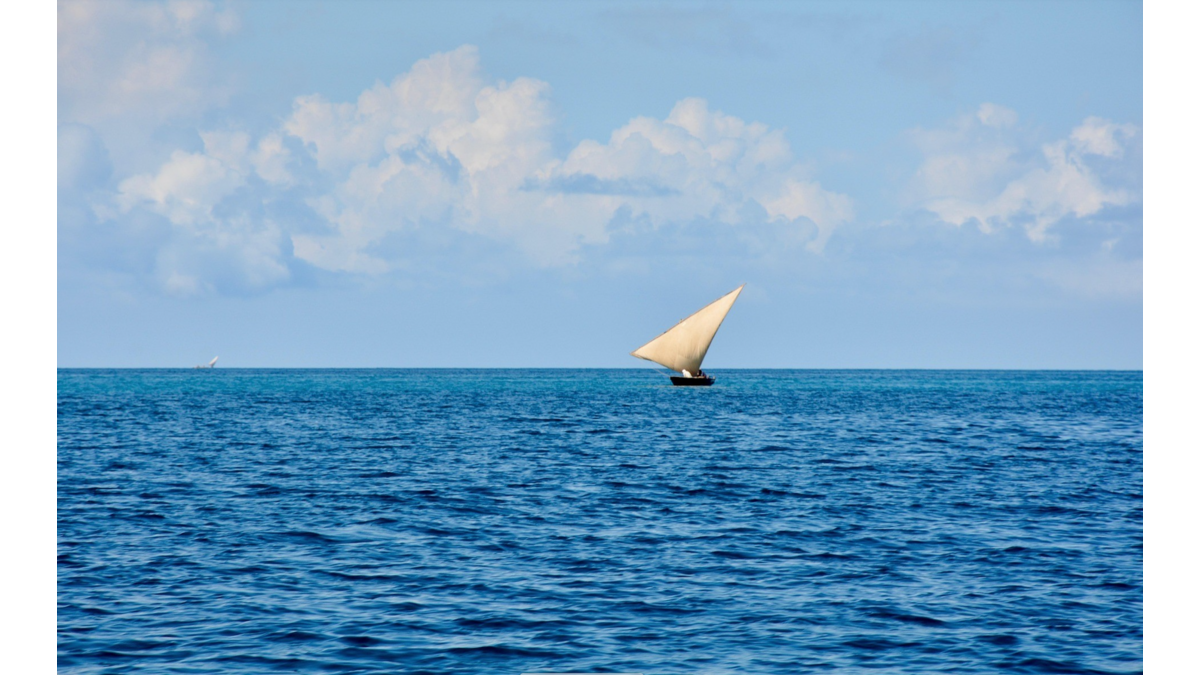
Blue Economy in the IOEA — a strategic sector for the region's economic development, but uneven protection and valorisation of resources across countries
The French Treasury (Direction générale du Trésor), under the French Ministry of Economy and Finance, publishes Economic Letters through its regional services to provide in-depth analysis of key economic sectors and trade dynamics in partner countries.
This edition examines the blue economy across the Indian Ocean and East Africa (IOEA) region, highlighting favourable maritime geography — including Somalia's coastline, the longest in continental Africa, and strategic ports such as Mombasa, Dar es Salaam and Djibouti — alongside sharply uneven protection and development of marine resources. While Mauritius, the Seychelles, Kenya and Tanzania have established marine protected areas and adapted port and tourism infrastructure, countries such as the Comoros, Madagascar, Somalia, Sudan and Eritrea struggle to realise their potential due to persistent governance, financing, technical capacity and security constraints. Participation in international negotiations, notably UNOC-3, mirrors these disparities, with Tanzania actively engaged while crisis-affected states remain largely on the sidelines.
Governance structures vary widely: Kenya created a dedicated ministry in 2022 and Madagascar in 2021, while other countries split responsibility across multiple ministries with limited coordination and resources. Sector performance also diverges sharply — fisheries are industrialised in Mauritius, the Seychelles and Madagascar but remain largely artisanal in Kenya and Tanzania, and underdeveloped in Somalia, Sudan and Eritrea. Ports (Mombasa, Dar es Salaam) and coastal tourism (Seychelles, Mauritius, Zanzibar) are key growth drivers where infrastructure and stability allow, with French group CMA CGM a notable regional player.
Common structural challenges include illegal fishing, plastic and industrial pollution, mangrove deforestation and coral degradation, compounded by climate change impacts such as coastal erosion and coral bleaching — illustrated by Mauritius's MV Wakashio oil spill (2020) and the disappearance of Ethiopia's Lake Haramaya. Donor support, including from France via the AFD, is concentrated in a handful of countries (Kenya, Tanzania, Madagascar, Comoros, Seychelles, Mauritius), with the Seychelles notably pioneering blue bond and debt-for-nature financing instruments, while engagement remains limited in Djibouti, Ethiopia, Sudan and Eritrea.
Overall, the Letter underscores targeted opportunities for French businesses in marine biodiversity protection, blue carbon and port/logistics infrastructure (Créocéan, Egis, BRLi, 4SH, Infoport, among others already active), though growing competition from Gulf, Chinese, Turkish and European players — and regulatory and political sensitivities, as with the Mombasa port concession — continue to constrain market entry.